What Does S925 Mean? A Guide to Sterling Silver and Plated Finishes
Jewelry listings often use terms such as S925, sterling silver, silver tone, plated, or white-gold tone. These descriptions do not all mean the same thing. Understanding the difference can help you compare products and choose care methods that suit a particular piece.
What S925 usually means
S925 is commonly used to identify sterling silver made with 92.5% silver and 7.5% other metals. Pure silver is relatively soft, so sterling silver includes other metals to improve its practical durability for jewelry.

S925 is not the same as solid pure silver
A piece described as S925 is not 100% pure silver. It is a sterling silver alloy. This distinction is normal and is part of the standard meaning of sterling silver.
What a plated finish means
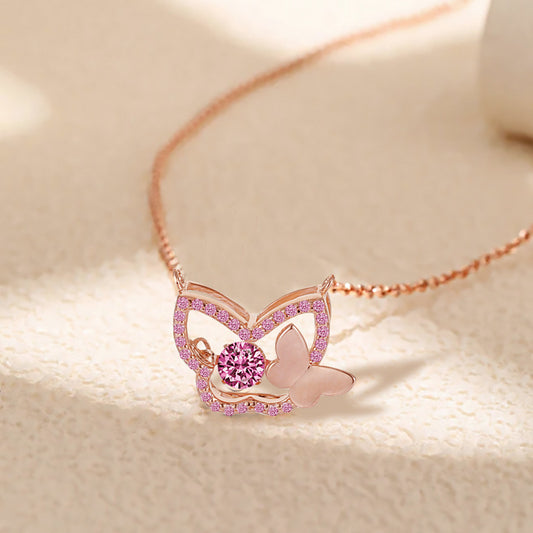
Some sterling silver jewelry has an additional surface finish, such as rhodium, platinum tone, rose-gold tone, yellow-gold tone, or white-gold tone. The underlying metal and the surface finish are separate details. Plating can change appearance and may wear gradually depending on friction, moisture, chemicals, skin chemistry, and care.
What “silver tone” means
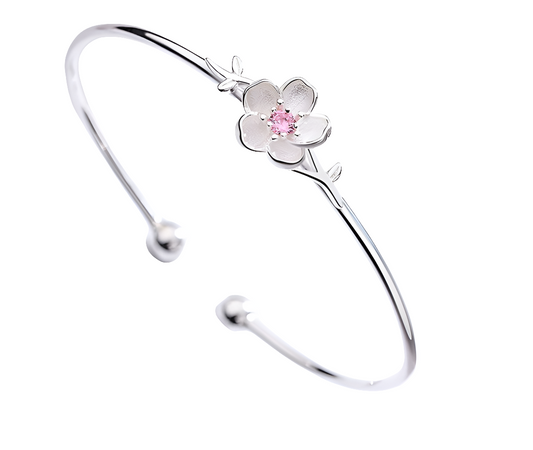
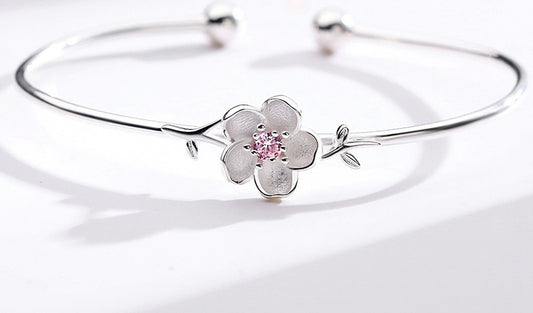
Silver tone describes appearance, not necessarily metal content. A silver-tone product may or may not be sterling silver. The material specification on the individual product page is more important than the color description alone.
Stamps are useful but not a complete guarantee
A 925 stamp is commonly associated with sterling silver, but a stamp by itself does not independently verify a product's full composition. Product descriptions, supplier documentation, testing, and seller transparency all provide additional context.
Why product details can vary
Aura René works with independent fulfillment partners, and products can come from different sources. One item may be sterling silver with plating, while another may use a different metal or decorative material. That is why each product page should be reviewed individually rather than assuming the entire catalog uses the same construction.
How to shop more confidently
- Read the material and finish specifications on the exact product page.
- Check whether dimensions are approximate.
- Review stone descriptions, especially when terms such as crystal, moissanite, opal-style, glass, or synthetic stone are used.
- Look at available variants because finishes and materials can differ by option.
- Ask for clarification before ordering when an important detail is missing.
This article provides general educational information. Product-specific descriptions are based on the information available for each listing and are not a substitute for independent material testing.