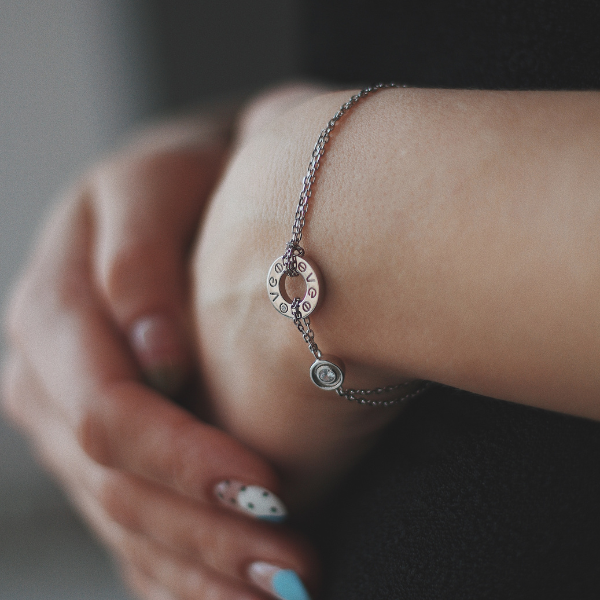


How Long Does Sterling Silver Jewelry Last? Tarnish, Water & Everyday Wear Explained
One of the most common questions about sterling silver is also one of the easiest to misunderstand: if it tarnishes, does that mean it is low quality?
No. Tarnish is a normal surface reaction that can occur on silver. With sensible wear, cleaning, and storage, sterling-silver jewelry can remain part of a collection for many years.
What sterling silver actually is
The FTC explains that jewelry described as sterling silver contains 92.5% pure silver. The remaining portion is alloyed with other metal to make the material more practical for jewelry. You can read the FTC's silver guidance at consumer.ftc.gov.
Why does silver tarnish?
Silver reacts with compounds in its environment. Smithsonian conservation material notes that sulfur-containing gases are a major contributor to silver tarnish. Humidity and other environmental conditions can influence how quickly the surface changes.
Tarnish can look yellowish, gray, brown, or dark depending on its stage. It is different from rust, and in ordinary cases it forms at the surface.
Does water ruin sterling silver?
Brief contact with plain water does not automatically destroy sterling silver, but repeatedly exposing jewelry to moisture, chemicals, soaps, pools, hot tubs, salt water, cosmetics, and cleaning products can accelerate changes to the surface or affect other components in a piece.
Because jewelry can include stones, enamel, adhesives, plating, or other details in addition to sterling silver, the safest everyday habit is simple: remove it before swimming, showering, cleaning, or applying products that may contact the jewelry heavily.
Five habits that help sterling silver stay looking its best
- Put jewelry on last. Let lotion, perfume, hairspray, and cosmetics dry first.
- Wipe it after wear. A soft, dry jewelry cloth can remove oils and residue before storage.
- Store pieces separately. Keeping jewelry dry and reducing unnecessary air and chemical exposure can slow tarnish and prevent scratching.
- Do not over-polish. Aggressive or abrasive cleaning can remove material from the surface over time.
- Check the full piece, not just the metal. A cleaning method that is safe for plain sterling silver may not be appropriate for enamel, pearls, soft stones, plated details, or adhesives.
For a more detailed routine, read our existing guide: How to Care for Sterling Silver Jewelry.
What if my jewelry has already tarnished?
Start gently. A purpose-made soft silver polishing cloth is often a better first step than harsh household experiments. If a piece contains delicate stones, enamel, or an unfamiliar finish, check the care requirements for the entire piece before cleaning it.
Museum conservation research also reminds us that abrasive polishing removes some material from a silver surface, which is another reason not to polish more aggressively than necessary.
Is tarnish permanent?
Many ordinary tarnish layers can be reduced with appropriate silver-care methods. How a particular piece responds depends on its construction, finish, and condition, so there is no one cleaning method that is ideal for every item.
Buying with care in mind
Before purchasing, look for material information and any special finish details on the product page. If you are unsure how to care for a specific Aura Rene piece, contact us with the product name before trying a cleaner.
Continue exploring: Read What Does S925 Mean? or browse The Aura Edit.